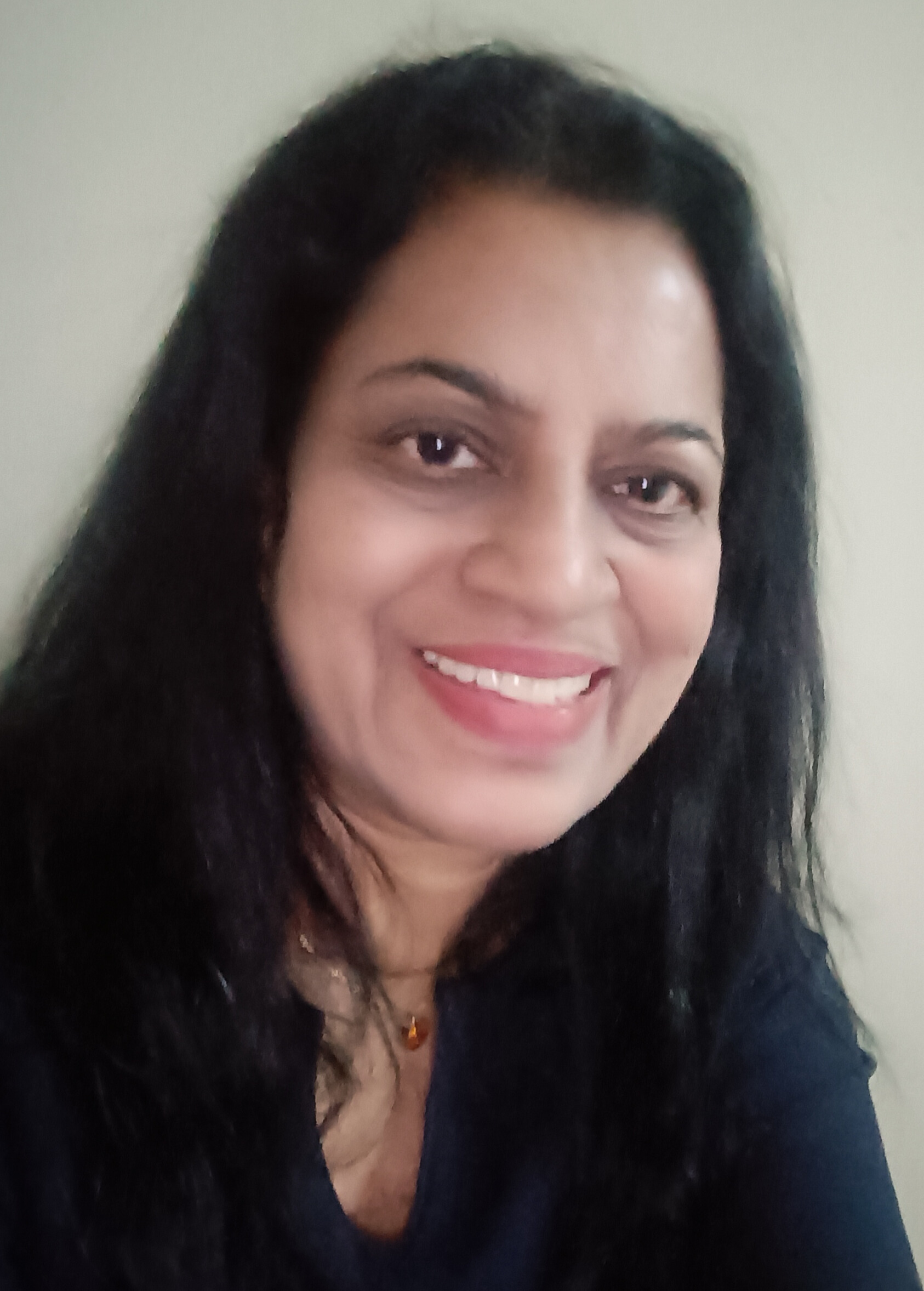
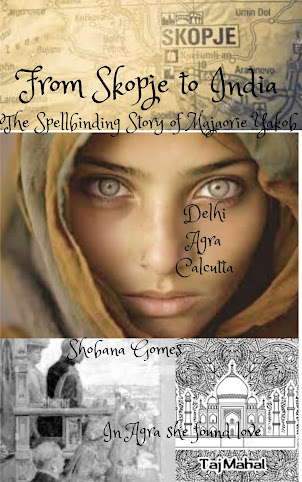
The LACCS-UK, Worldwide Women's Forum, was a success on the 30th of April. I had the distinct honour of being interviewed by the Hon. Emeritus Professor JR Monroy, who is the Founder and Hon. Chair of LACCS-UK and its worldwide subsidiaries. I was representing Malaysia in the Forum.
Alongside the speaker from Brazil, we were interviewed for our respective roles as women professionals in modern society. I was asked to speak about my books on literature and my quote, 'Treasure the poetic moments of my life, we will never experience them twice.' I spoke about the Malaysian landscape, and the iconic, classical poetry of the Malays - the pantun, and the Ghazal music.
I'd like to share the first thematic question by the Professor, and my answer here:
1. As I said before in our Women’s Forum, we are ignorant about Malaysian literature and poetry. However, before you can talk about your work, my first thematic question is:
Why and since when did you decide to be a professional writer and a poetess? Please give us a summary.
Answer: Shobana Gomes
Good Evening, Professor Monroy, and my distinguished fellow speaker from Chile. It’s a pleasure being with you here this evening. It is a great honour to represent Malaysia in this lustrous forum. Thank you for the privilege and the invitation. My name is Shobana Gomes, and I am a poet and writer.
To begin, I’d like to say a few words about the Malaysian landscape and literature.
Malaysia is a multi-cultural and multi-racial country. There are 13 states and three Federal Territories. Kuala Lumpur is the capital city. There are three main races: the Malays, Chinese, and Indians and we are rooted in indigenous heritage with the Orang Asli of the peninsula and the vibrant tribal societies of Sabah and Sarawak.n
Islam is the religion of the Federation - the official religion of the country. The people of different religions are free to practice their faiths without fear or favour, as enshrined in our constitution. There are nine Malay rulers, and they are the heads of Islam in their respective states, while the King, appointed to a rotational monarchy every 5 years, is the Supreme Head of Islam. The country’s administration is led by the Prime Minister and his cabinet ministers.
Our country is infamous for the iconic pantun - the classical poetry of the Malays. It has 4 lines - the first two lines are the foreshadower while the last two lines carry the message of the poem. Malay poetry is deeply metaphorical and relies on the natural landscape for its imagery. We have the syair, the prose poem that tells a continuous, direct story often used for romantic epics, historical accounts of war, and religious instruction. It is likened to the documentary film of the ancient Malay world.
The Ghazal is the ancient music of Islamic influence. It is famous in the Royal State of Johor, in the Southern region of Malaysia, the state of our present-day King. It uses the Gambus, the Arabic lute, the violin, and the Gendang or Tabla (Malay/Indian drums)
The Ghazal music is traditionally performed in royal courts and weddings. And in our Ghazal music, you can hear the heartbeat of the Middle East, India, and the Malay world - combined.
Then I went on to speak about why I entered the writing industry and the recognition I gained as I progressed as an author, poet, and writer. Here's a part of my answer to my second question about literature.
Q2 Why did you include Children’s Literature in your work?
Children’s literature began with my reading stories to my two daughters when they were young. They’d never go to sleep without me telling them one, and I had to make up the stories so they would sleep. Only when I end the stories with “And the story is over” will they fall asleep. That gave me my first experience in crafting children’s literature in my mind.
Children’s literature encourages reading from infancy, which is why I write it. When you read a story to a child, they learn as we read, and later, when they begin reading on their own, they learn to create stories as I did. They grow into informed adults, and we gain an educated population nurtured by a love for reading.
Children must be taught to imagine so they love to learn, and appreciate life. Imagination is a cognitive necessity. Storytelling is one of the best ways to inculcate a love for reading and imagining. Storytelling helps children visualise scenes and ignites their curiosity and creativity, thus helping them craft their own stories in their heads. Once they start imagining and visualising, they become lifelong readers. Their learning becomes clearer and awakens their 5 senses, to see, hear, touch, smell and taste. Therefore, children’s literature is crucial for the betterment of society. I write them to educate, inspire and entertain young minds. (to be continued).
I had a lovely surprise when I woke up the next morning to get a commendation letter from the Hon. Professor.
![]() |
| April 30th, 2026: I had the privilege and honour to represent Malaysia (the first poet to be interviewed) at the LACCS-UK, LACCS Worldwide Women's Forum on women's professional role in modern society and literature (especially, my role from business, transitioning to a poet and author, and with regards to my literature books alongside my fellow speaker from Brazil. I was interviewed by the Hon. Emeritus Professor JR Monroy, Founder and Hon Chair LACCS-UK, and Subsidiary LACCS-WORLDWIDE, Social Scientist, Analytical Historian, Cultural Researcher. |